OUR SERVICES
Web Design
Providing web design services involves creating visually appealing and functional websites for individuals, businesses, or organizations. Here is a general outline of the workflow and tasks involved in offering web design services:
Client Consultation:
Understand the client's requirements, goals, and target audience.
Discuss the scope of the project, budget, and timeline.
Gather any existing branding elements, content, and preferences.
Research and Planning:
Research the client's industry and competitors.
Develop a sitemap and wireframes to plan the website's structure and layout.
Define the technology stack and choose the appropriate tools and frameworks.
Design Mockups:
Create initial design concepts or mockups using graphic design tools like Adobe XD, Sketch, or Figma.
Get client feedback and make necessary revisions until the design is approved.
Development:
Write HTML, CSS, and JavaScript code to bring the design to life.
Use a content management system (CMS) like WordPress, Joomla, or Drupal if applicable.
Ensure the website is responsive and compatible with various devices and browsers.
Content Integration:
Add and format text content, images, videos, and other media provided by the client.
Optimize content for search engines (SEO) to improve visibility.
Testing:
Conduct thorough testing to identify and fix any bugs or issues.
Ensure cross-browser compatibility and responsive design.
Test website performance and load times.
Client Review and Approval:
Share the completed website with the client for review.
Address any feedback and make final adjustments.
Obtain client approval before launching the site.
Launch:
Set up hosting and domain, if not already done.
Deploy the website to the live server.
Monitor for any issues during the initial launch period.
Training and Documentation:
Provide training if the client will be managing the website.
Create documentation for future reference and troubleshooting.
Post-Launch Support:
Offer ongoing support and maintenance services.
Monitor website performance and security.
Implement updates and improvements as needed.
Marketing (Optional):
Assist with online marketing strategies, such as social media integration, email marketing, and search engine optimization.
Analytics and Reporting:
Set up analytics tools to track website performance.
Provide regular reports to the client on website traffic, user behavior, and other relevant metrics.


Digital Marketing
Digital marketing involves promoting products, services, or brands using various online channels and technologies. Here's a breakdown of the tasks involved in providing digital marketing services:
Client Consultation:
Understand the client's business, goals, target audience, and existing marketing efforts.
Discuss budget, timeline, and key performance indicators (KPIs).
Market Research:
Conduct market research to understand the industry, competitors, and target audience.
Identify trends, opportunities, and challenges in the market.
Develop a Digital Marketing Strategy:
Outline a comprehensive digital marketing strategy that aligns with the client's goals.
Choose the most suitable digital marketing channels, such as social media, search engine optimization (SEO), email marketing, content marketing, and paid advertising.
Website Optimization (SEO):
Conduct on-page and off-page SEO to improve the website's visibility on search engines.
Optimize website content, meta tags, and images.
Build high-quality backlinks.
Social Media Management:
Create and manage social media accounts on platforms relevant to the target audience.
Develop a content calendar and create engaging content.
Use social media advertising to reach a wider audience.
Content Marketing:
Develop a content strategy that aligns with the brand and engages the target audience.
Create blog posts, articles, infographics, videos, and other content.
Distribute content through various channels, including social media and email.
Email Marketing:
Build and segment an email list.
Create and send targeted email campaigns.
Monitor email campaign performance and adjust strategies accordingly.
Paid Advertising (PPC):
Set up and manage pay-per-click (PPC) campaigns on platforms like Google Ads or social media.
Monitor and optimize ad performance to maximize ROI.
Analytics and Reporting:
Implement analytics tools to track website and campaign performance.
Provide regular reports to clients, including insights and recommendations for improvement.
Conversion Rate Optimization (CRO):
Analyze user behavior to identify areas for improvement.
Implement strategies to increase conversion rates, such as A/B testing and website optimization.
Online Reputation Management:
Monitor online reviews and brand mentions.
Implement strategies to manage and improve online reputation.
Mobile Marketing:
Optimize campaigns for mobile users.
Consider mobile advertising and location-based marketing strategies.
E-commerce Marketing (if applicable):
Implement strategies to drive online sales.
Optimize product listings and use retargeting techniques.
Stay Updated on Industry Trends:
Stay informed about changes in digital marketing algorithms, technologies, and best practices.
Continuously adapt strategies to meet evolving industry standards.
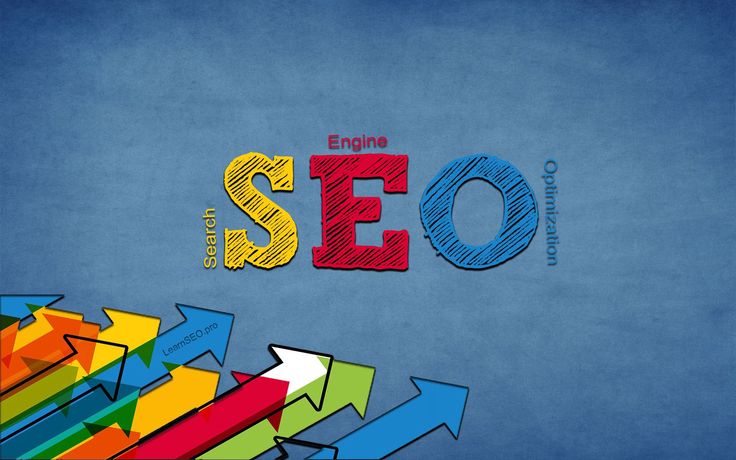
SEO Services
Providing SEO (Search Engine Optimization) services involves optimizing websites to improve their visibility on search engines like Google. Here's an overview of the tasks involved in offering SEO services:
Website Audit:
Conduct a thorough audit of the client's website to identify technical issues, on-page SEO elements, and other areas for improvement.
Analyze website performance, load times, and mobile responsiveness.
Keyword Research:
Identify relevant keywords based on the client's business, target audience, and industry.
Use keyword research tools to determine search volume, competition, and user intent.
On-Page Optimization:
Optimize meta titles, meta descriptions, and header tags for targeted keywords.
Improve URL structure and ensure proper use of keywords throughout the content.
Optimize images and multimedia elements for search engines.
Technical SEO:
Address technical issues, including crawl errors, broken links, and XML sitemap optimization.
Optimize website structure, navigation, and URL hierarchy.
Implement schema markup to enhance rich snippets in search results.
Content Optimization:
Create high-quality, relevant, and engaging content for the target audience.
Optimize content for search engines by including targeted keywords naturally.
Ensure proper internal linking to connect related content.
Backlink Building:
Develop a strategy for acquiring high-quality backlinks from reputable websites.
Monitor and disavow toxic backlinks that may harm the website's SEO.
Local SEO (if applicable):
Optimize the website for local search, including Google My Business setup and optimization.
Encourage customer reviews and manage online business listings.
Mobile Optimization:
Ensure the website is optimized for mobile users, considering mobile responsiveness and page speed.
Utilize Accelerated Mobile Pages (AMP) where applicable.
User Experience (UX) and User Interface (UI):
Enhance website usability and overall user experience.
Improve page layout, readability, and navigation.
Analytics and Reporting:
Set up and configure Google Analytics and other relevant tracking tools.
Provide regular reports on website performance, keyword rankings, and traffic trends.
Algorithm Updates Monitoring:
Stay informed about search engine algorithm updates and adapt strategies accordingly.
Adjust SEO tactics to align with the latest best practices.
Competitor Analysis:
Analyze competitors' SEO strategies and performance.
Identify opportunities and areas for improvement based on competitor insights.
Education and Communication:
Educate clients on SEO principles and the importance of ongoing optimization.
Maintain transparent and regular communication with clients about progress and results.
Adaptation and Continuous Improvement:
Stay updated on industry trends and search engine algorithms.
Continuously adapt SEO strategies to align with evolving best practices.

PPC Service
Providing PPC (Pay-Per-Click) services involves creating and managing online advertising campaigns to drive traffic to a website. Here's a comprehensive overview of the tasks involved in offering PPC services:
Client Consultation:
Understand the client's business, goals, target audience, and advertising budget.
Discuss the products or services to be promoted and the desired outcomes.
Market Research and Competitor Analysis:
Research the client's industry and competitors.
Identify key trends, target keywords, and potential areas for differentiation.
Keyword Research:
Conduct extensive keyword research to identify relevant and high-performing keywords.
Group keywords based on themes and relevance.
Campaign Planning and Strategy:
Develop a comprehensive PPC strategy based on client goals.
Determine the target audience, geographic locations, and ad scheduling.
Choose the most suitable PPC platforms (e.g., Google Ads, Bing Ads, social media platforms).
Ad Copy Creation:
Craft compelling and relevant ad copy that aligns with the chosen keywords.
Create multiple ad variations for A/B testing.
Landing Page Optimization:
Ensure that landing pages are optimized for conversions.
Align landing page content with ad messaging.
Implement clear calls-to-action (CTAs).
Ad Extensions:
Utilize ad extensions to provide additional information and improve ad visibility.
Include site link extensions, callout extensions, and structured snippet extensions.
Budget Management:
Set and manage daily and monthly budgets based on client preferences.
Allocate budgets effectively across campaigns and ad groups.
Bid Management:
Implement and adjust bids based on keyword performance and campaign goals.
Utilize bid strategies and automation tools provided by the advertising platforms.
Conversion Tracking:
Set up conversion tracking to measure the success of ad campaigns.
Track various types of conversions, such as form submissions, purchases, or sign-ups.
Analytics and Reporting:
Integrate Google Analytics or other analytics tools to track overall website performance.
Provide regular reports on key performance metrics, including click-through rates, conversion rates, and return on ad spend (ROAS).
A/B Testing:
Conduct A/B testing on ad copy, landing pages, and other elements to optimize performance.
Test different ad variations to identify the most effective strategies.
Remarketing Campaigns:
Implement remarketing campaigns to target users who have previously visited the website.
Customize ad messaging based on user behavior.
Ad Performance Optimization:
Continuously monitor and optimize ad performance based on key metrics.
Make adjustments to keywords, ad copy, and targeting to improve ROI.
Stay Informed on Platform Updates:
Stay updated on changes to PPC platforms and adjust strategies accordingly.
Implement new features and best practices.
Client Education:
Educate clients on PPC metrics, campaign performance, and the value of paid advertising.
Provide recommendations for ongoing improvement.
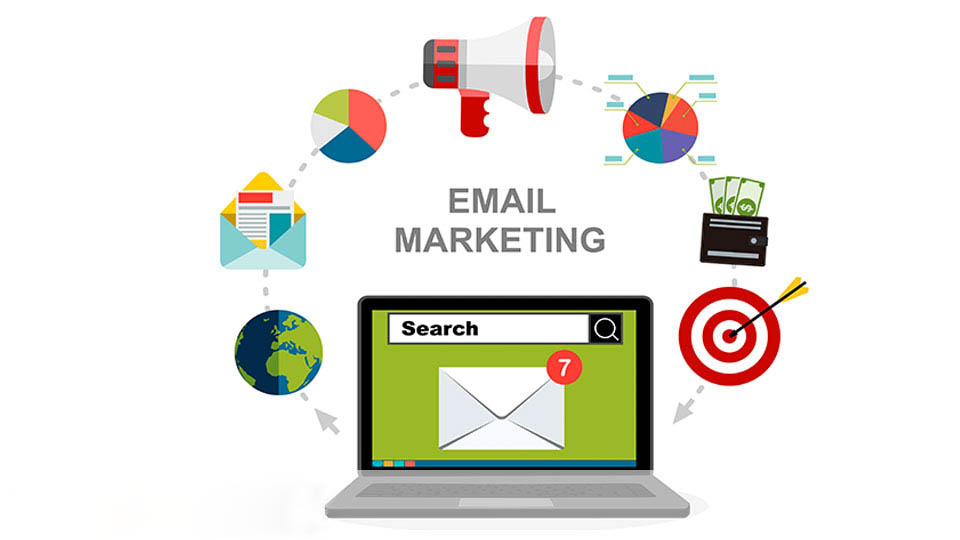
Email and SMS Marketing
Email and SMS marketing services, building and maintaining a positive relationship with the audience is essential. Regular communication with clients, monitoring of performance metrics, and adapting strategies based on results contribute to the success of these marketing services.
Client Consultation:
Understand the client's business, goals, target audience, and messaging preferences.
Discuss the type of SMS campaigns needed (e.g., promotions, alerts, surveys).
SMS Campaign Strategy:
Develop an SMS marketing strategy aligned with client objectives.
Define the frequency, timing, and content of SMS campaigns.
List Building and Compliance:
Assist in building and segmenting SMS contact lists.
Ensure compliance with SMS marketing regulations and obtain necessary permissions.
SMS Content Creation:
Create concise and engaging SMS messages that convey the desired information.
Use SMS-friendly language and clear calls-to-action.
Personalization and Targeting:
Implement personalization elements in SMS messages.
Target specific segments with relevant offers or information.
Automation Setup:
Implement automation for scheduled SMS campaigns and triggered messages.
Set up workflows based on user interactions.
Tracking and Analytics:
Integrate analytics tools to track SMS campaign performance.
Provide reports on key metrics, such as delivery rates and response rates.
Opt-Out Management:
Provide clear instructions for opting out of SMS messages.
Manage opt-out requests promptly to comply with regulations.
Optimization and Continuous Improvement:
Analyze data to identify areas for improvement.
Optimize SMS campaigns based on performance insights.
Integration with Other Marketing Channels:
Coordinate SMS campaigns with other marketing channels for a cohesive strategy.
Ensure consistent messaging across different platforms.
Compliance and Legal Considerations:
Stay informed about SMS marketing laws and regulations.
Adhere to guidelines for consent and opt-in procedures.
Privacy Policy
Terms Of Use
Subscribe us